











WHAT HAPPENS TO OUR BODY WHEN WE CONSUME PROTEIN
The health benefits of it!

 FREE SHIPPING ON ORDERS OVER {{FreeDeliveryPrice}}!
*Valid only for shipments within Greece.
YOU STILL NEED {{CalculatedPrice}} FOR FREE SHIPPING!
*Valid only for shipments within Greece.
CONGRATULATIONS!!! YOU ARE ELIGIBLE FOR FREE SHIPPING!
*Valid only for shipments within Greece.




 Continue Shopping
FREE SHIPPING ON ORDERS OVER {{FreeDeliveryPrice}}!
*Valid only for shipments within Greece.
YOU STILL NEED {{CalculatedPrice}} FOR FREE SHIPPING!
*Valid only for shipments within Greece.
CONGRATULATIONS!!! YOU ARE ELIGIBLE FOR FREE SHIPPING!
*Valid only for shipments within Greece.
Fluid retention, also known as edema, is the accumulation of excess fluid in the body's tissues. It can occur in different parts of the body, but is most commonly observed in the legs, ankles and feet.
In many cases, it may be associated with everyday factors such as prolonged standing or sitting and increased salt consumption. However, when swelling persists, appears suddenly or is accompanied by other symptoms, medical evaluation is necessary.
What are the most common symptoms?
Fluid retention may present with:
Symptoms may occur in one or both limbs, depending on the underlying cause.
What can cause fluid retention?
There are many possible causes.
Among the most common are:
In some cases, edema may also be associated with problems affecting the kidneys, heart, liver or thyroid, as well as other medical conditions.
For this reason, persistent fluid retention should not be treated solely as a cosmetic concern.
Reducing excessive salt intake
Sodium plays an important role in regulating the body's fluid balance. Excessive salt consumption may promote water retention.
The World Health Organization recommends that adults consume less than 5 g of salt per day, an amount equivalent to less than one teaspoon in total from all dietary sources.
A large proportion of the salt we consume daily may come from processed foods and not only from the salt we add to our meals.
The following may help reduce salt intake:
Movement throughout the day
Prolonged inactivity may contribute to swelling in the lower limbs.
Gentle physical activity, such as walking, activates the leg muscles and supports normal blood circulation.
If your daily routine involves many hours of sitting or standing, taking regular short movement breaks can be helpful.
Elevating the legs
When swelling is associated with prolonged standing or sitting, elevating the legs while resting may provide relief.
The legs can be placed on pillows or in another comfortable elevated position for a period of time.
Adequate hydration
Adequate fluid intake is part of the body's normal functioning.
Water requirements are not the same for everyone and are influenced by temperature, physical activity, diet and overall health.
People who have been advised by a doctor to follow a specific fluid restriction should follow the individualized guidance they have been given.
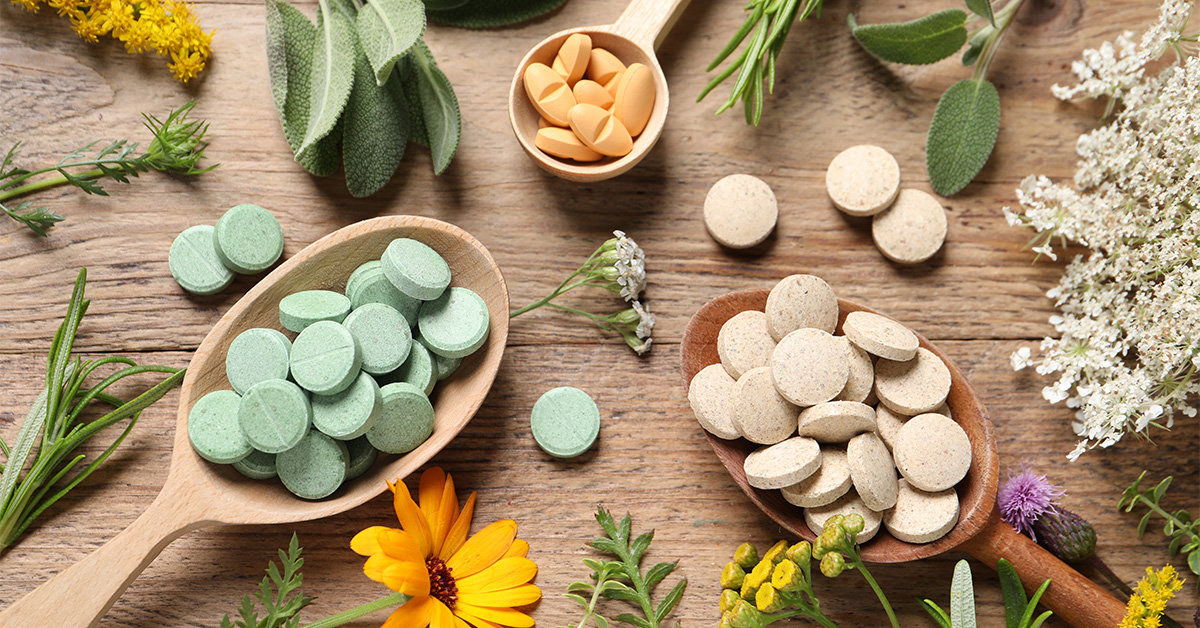
What about herbs?
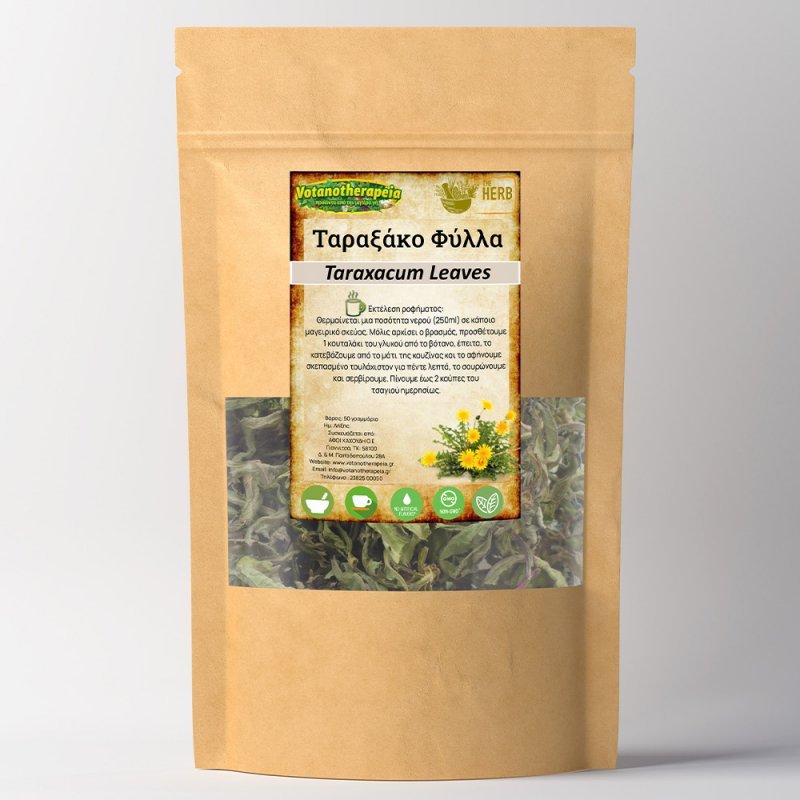
Certain plants, such as dandelion (Taraxacum officinale), have a long history of traditional use in herbal preparations associated with urine production and the urinary system.
However, this does not mean that an herb is a treatment for fluid retention.
Fluid retention can have many different causes, and attempting to increase urination without knowing the cause of the edema is not appropriate for everyone.
Particular caution is required for people taking medication or those with heart, kidney or other health conditions. In these cases, the use of herbs or supplements should first be discussed with a healthcare professional.
When is medical evaluation necessary?
Fluid retention should be investigated when it persists without an obvious cause or occurs frequently.
Particular attention is required when:
If swelling is accompanied by shortness of breath, chest pain or pressure, faintness or other severe symptoms, immediate medical evaluation is required.
Conclusion
Fluid retention may be temporary and associated with everyday factors such as increased salt consumption or prolonged inactivity.
Reducing excessive salt intake, regular movement, avoiding prolonged inactivity and maintaining appropriate hydration are useful general habits.
However, when swelling is persistent, unexplained, sudden or severe, it is important to identify the underlying cause with the help of a healthcare professional and not attempt to manage it exclusively through dietary changes, herbs or supplements.

Article Writer for the infomational blog of votanotherapeia.gr