















WHAT HAPPENS TO OUR BODY WHEN WE CONSUME PROTEIN
The health benefits of it!

 FREE SHIPPING ON ORDERS OVER {{FreeDeliveryPrice}}!
*Valid only for shipments within Greece.
YOU STILL NEED {{CalculatedPrice}} FOR FREE SHIPPING!
*Valid only for shipments within Greece.
CONGRATULATIONS!!! YOU ARE ELIGIBLE FOR FREE SHIPPING!
*Valid only for shipments within Greece.




 Continue Shopping
FREE SHIPPING ON ORDERS OVER {{FreeDeliveryPrice}}!
*Valid only for shipments within Greece.
YOU STILL NEED {{CalculatedPrice}} FOR FREE SHIPPING!
*Valid only for shipments within Greece.
CONGRATULATIONS!!! YOU ARE ELIGIBLE FOR FREE SHIPPING!
*Valid only for shipments within Greece.

Nutrition and herbs during the Panhellenic exam period
The Panhellenic exams are a particularly demanding period for students and their families. Studying effectively remains the main priority, but a balanced diet, adequate hydration and sufficient rest can support the body’s daily needs.
Practical advice for the exam period
1. Start the day with a complete breakfast
A balanced breakfast may include yoghurt or eggs, wholegrain bread or cereals, a piece of fruit and a small portion of unsalted nuts. Choose a combination that keeps you satisfied without causing discomfort or a feeling of heaviness.
2. Always keep water close at hand
Water contributes to the maintenance of normal physical and cognitive functions. To obtain the beneficial effect, at least 2 litres of water from all sources should be consumed daily. Individual needs may vary depending on temperature, physical activity and the body’s specific requirements.
3. Do not skip your main meals
Try to follow a regular meal schedule and avoid going for long periods without eating. For a practical snack, you can choose a piece of fruit, yoghurt, a small portion of nuts or a wholegrain sandwich.
4. Do not sacrifice sleep for extra studying
A regular sleep and rest schedule is an important part of daily preparation. Consecutive late nights and major changes to your sleeping schedule may make everyday activities and studying more difficult.
5. Avoid restrictive diets
The exam period is not the right time for extreme diets or sudden dietary restrictions. Choose a variety of foods and complete meals that help cover your daily nutritional needs.
Nutrients worth knowing about
DHA and omega-3 fatty acids
DHA is an omega-3 fatty acid that contributes to the maintenance of normal brain function. The beneficial effect is obtained with a daily intake of 250 mg of DHA. Oily fish such as sardines, mackerel and salmon are dietary sources of DHA.
Flaxseed, flaxseed oil and walnuts contain alpha-linolenic acid, also known as ALA, which is a different type of omega-3 fatty acid.
B vitamins
Certain B vitamins, including thiamine, riboflavin, niacin and vitamins B6 and B12, contribute to the normal functioning of the nervous system. Pantothenic acid also contributes to normal mental performance.
A varied diet that includes eggs, dairy products, pulses, wholegrain cereals, meat and fish can provide different B vitamins.
Colourful fruits and vegetables
Add a variety of fruits and vegetables to your daily meals. Choose whole fruits more often, as they retain their fibre, and enjoy fruit juices as a complementary option rather than as a complete replacement for fruit.
Cocoa and dark chocolate in moderation
A small amount of dark chocolate or cocoa can be an enjoyable addition to a balanced diet. However, it should not be treated as a substitute for a complete meal, adequate sleep or rest.
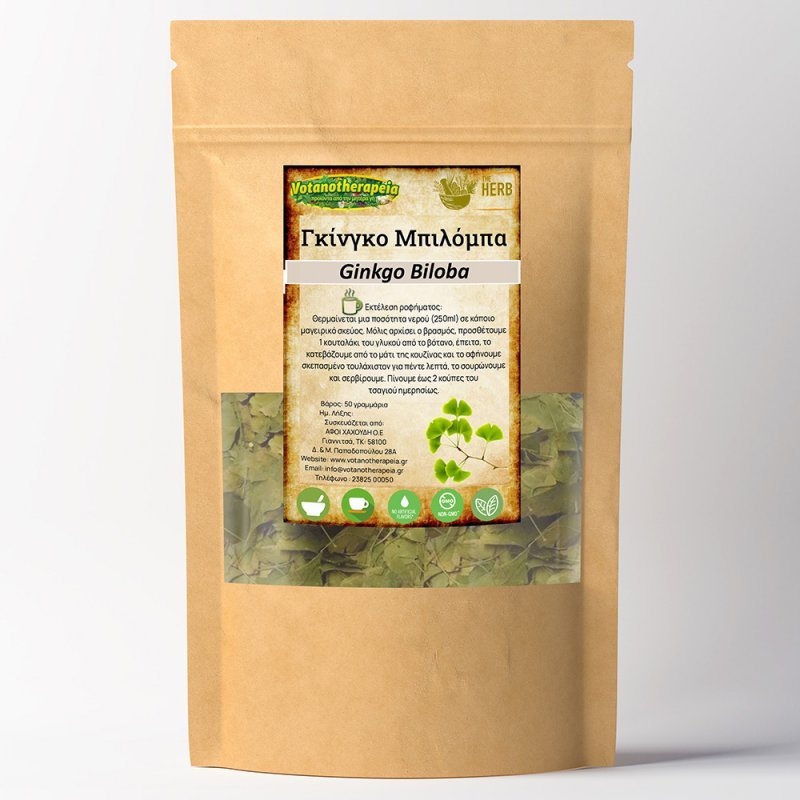
Ginkgo biloba: a herbal ally for cognitive function
Ginkgo biloba helps maintain good cognitive function. Its dried leaves can be used to prepare a distinctive herbal infusion with an earthy character and a slightly bitter aftertaste.
Important precaution: The use of Ginkgo biloba is not recommended for children and adolescents under 18 years of age. Anyone taking medication, particularly anticoagulant or antiplatelet medication, should consult a doctor or pharmacist before consuming it.
Small choices for a better daily routine
No single food or herb can guarantee success in exams. An organised routine that combines balanced meals, water, adequate rest and proper preparation provides the most practical foundation during this demanding period.

Responsible for the informational blog of votanotherapeia.gr